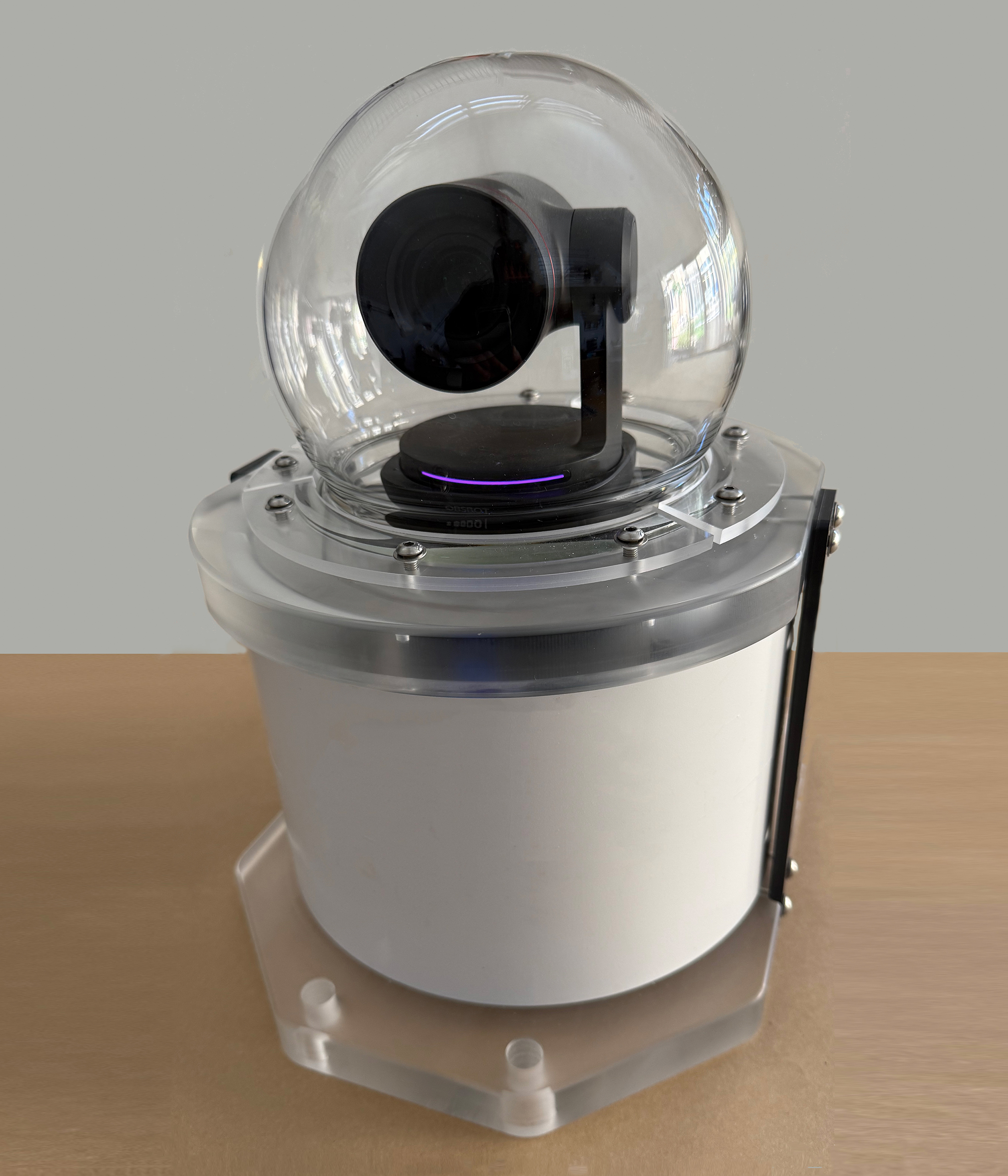
The System Design, Engineering & Installation phase transforms the insights from the needs assessment into a fully engineered underwater imaging solution. This stage integrates optical science, mechanical engineering, AI capabilities, environmental constraints, and operational logistics into a cohesive system architecture. The result is a deployment‑ready design that is technically robust, ecologically responsible, and optimized for long‑term performance in demanding marine environments.
1. Design Workshops & Specification Development
This phase begins with collaborative design workshops that translate the technical and operational roadmap into detailed engineering specifications. These sessions ensure that every requirement—scientific, environmental, logistical, and regulatory—is accurately reflected in the system architecture.
Workshops focus on:
- Depth rating, pressure tolerance, and environmental durability
- Optical and sensor performance requirements
- AI integration needs (real‑time recognition, anomaly detection, compression)
- Power, data, and connectivity constraints
- Mounting, housing, and deployment considerations
“Front‑end development involves a thorough needs assessment and engaging design workshops to ensure user requirements are fully understood and addressed.”
These workshops ensure that the final design is not only technically feasible but also aligned with the mission’s scientific and operational goals.
2. Core Engineering: Optics, Housing, Lighting & AI Integration
OPT’s engineering process combines decades of underwater imaging experience with modern AI and sensor technologies. Each subsystem is designed to withstand harsh marine environments while delivering high‑quality data.
Optics & Sensor Engineering
- Lens selection (wide‑angle, macro, dome ports)
- Sensor technologies (low‑light CMOS, hyper‑spectral, thermal)
- Color correction and light‑absorption optimization
- Optical distortion and refraction compensation
Mechanical & Housing Engineering
- Pressure‑rated housings for shallow, deep‑sea, or polar deployments
- Material selection (acrylic, titanium, carbon composites)
- Seal and O‑ring engineering for leak prevention
- Structural design for stability in currents and sedimentation
Lighting & Illumination Systems
- Adaptive lighting (strobes, LEDs, laser line scanners)
- Low‑disturbance illumination strategies for sensitive habitats
- Lighting tuned for turbidity, depth, and spectral absorption
AI & Data Integration
- Onboard AI for species recognition, anomaly detection, and compression
- Data pipelines for acquisition, storage, and transmission
- Integration with ROVs, AUVs, sensor networks, and cloud systems
“Core engineering encompasses optics, housing design, lighting systems, and the integration of artificial intelligence technology.”
3. System Integration & Installation Planning
Once the engineering design is finalized, OPT develops a comprehensive installation plan that ensures seamless deployment and long‑term reliability.
Installation Blueprint
- Detailed schematics for camera placement, wiring, and power distribution
- Data transmission pathways (fiber, wireless, acoustic, hybrid)
- Mounting solutions tailored to currents, substrate, and depth
Timeline & Milestones
- Hardware fabrication and delivery
- Pre‑deployment testing and calibration
- Field installation windows aligned with weather and vessel availability
Resource Allocation
- Assignment of engineers, technicians, divers, and vessel support
- Equipment staging, transport logistics, and safety planning
Contingency Planning
- Backup hardware and alternative installation methods
- Environmental disruption protocols
- Redundancy strategies for critical systems
“This phase entails drafting a comprehensive deployment plan, outlining every step from the initial setup to final integration.”
4. Field Installation & System Commissioning
The final step in this phase is the physical installation of the system in the field. OPT technicians execute the deployment plan with precision, ensuring that all components are installed, calibrated, and validated under real‑world conditions.
Hardware Deployment
- Installation of cameras, sensors, lighting, and connectivity modules
- Mounting on fixed structures, moorings, cages, or seabed platforms
System Integration
- Connection to live monitoring systems
- Configuration of data pipelines and AI processing modules
On‑Site Calibration
- Optical calibration for clarity and color accuracy
- Lighting adjustments based on turbidity and depth
- AI model validation using local environmental data
Quality Assurance
- Verification against predefined performance criteria
- Stress testing for currents, visibility, and biofouling
- Documentation of installation parameters for future maintenance
“Technicians execute the deployment plan by installing and configuring the recommended hardware in the field.”
Output: A Fully Engineered, Deployment‑Ready System
At the end of this phase, clients receive:
- A fully engineered underwater imaging system
- Installation schematics and configuration documentation
- Verified performance metrics from on‑site calibration
- Integration with existing workflows, vessels, and data systems
- A clear path to prototype testing and field trials
This ensures that the system is not only technically sound but also operationally aligned with the mission’s scientific and environmental goals.